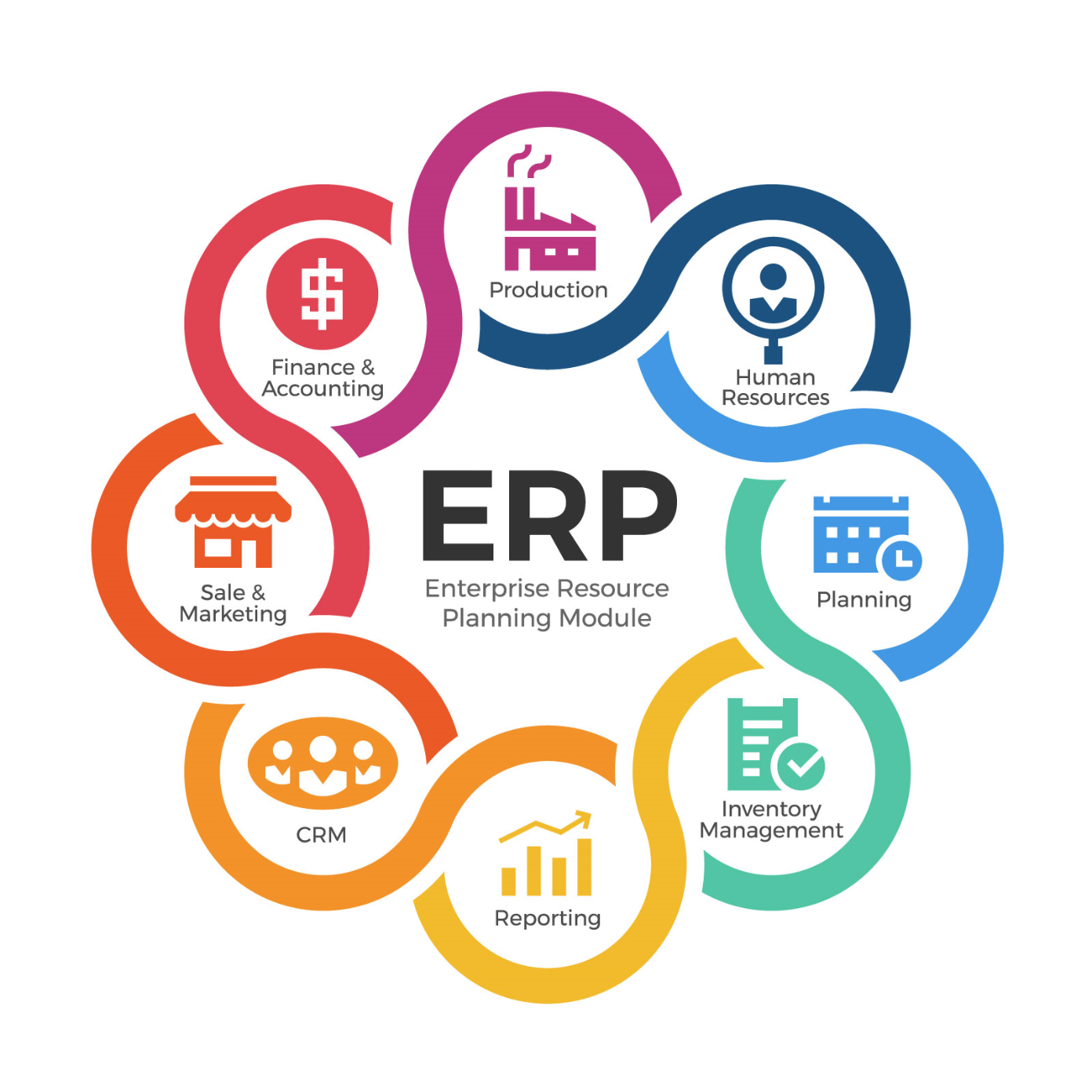
Welcome to our guide on improving efficiency and profitability with wholesale distribution ERP software solutions! In today’s fast-paced business world, it’s essential to streamline operations and maximize profits. Wholesale distributors face unique challenges when it comes to managing inventory, orders, and finances. Fortunately, ERP software solutions are designed to address these challenges and help businesses thrive. By implementing the right ERP system, wholesale distributors can increase productivity, reduce costs, and improve customer satisfaction. Let’s explore how ERP software can transform your business and set you up for success.
Benefits of Wholesale Distribution ERP Software Solutions
Wholesale distribution ERP software solutions offer a wide range of benefits to businesses in the industry. One of the key advantages is improved efficiency. With ERP software, companies can streamline their processes by integrating various functions such as inventory management, order processing, accounting, and customer relationship management into one system. This eliminates the need for manual data entry, reduces the risk of errors, and allows employees to access real-time information quickly.
Another benefit of using ERP software in wholesale distribution is increased visibility. By having a centralized system that provides a comprehensive view of the business operations, companies can make informed decisions based on accurate and up-to-date data. This visibility also helps in identifying trends, forecasting demand, and optimizing inventory levels to meet customer demand effectively.
ERP software solutions also contribute to better communication and collaboration within the organization. With a shared database and access to information from different departments, employees can work together more efficiently and effectively. This leads to improved coordination in managing resources, fulfilling orders, and providing timely customer service.
Moreover, wholesale distribution ERP software solutions help in cost reduction and improved profitability. By automating routine tasks, eliminating redundant processes, and optimizing inventory levels, companies can save time and resources. This enables them to focus on strategic initiatives, such as expanding their market reach, enhancing product offerings, and improving customer loyalty, all of which contribute to increased revenue and profitability.
One of the key advantages of ERP software solutions in wholesale distribution is better regulatory compliance. With built-in features for tracking and reporting data, companies can ensure that they comply with industry regulations and standards. This reduces the risk of penalties and legal issues, while also enhancing the company’s reputation and credibility with customers and partners.
Overall, wholesale distribution ERP software solutions offer a comprehensive and integrated approach to managing business operations. By streamlining processes, increasing visibility, enhancing communication, reducing costs, and ensuring regulatory compliance, companies can improve their efficiency, productivity, and profitability in a competitive market environment.
Key Features to Look for in Wholesale Distribution ERP Software
When considering implementing Wholesale Distribution ERP software, there are several key features you should look for to ensure that the software meets the specific needs of your business. These features are essential in helping streamline your operations, increase efficiency, and ultimately improve your bottom line.
1. Inventory Management: One of the most crucial features to look for in Wholesale Distribution ERP software is robust inventory management capabilities. The software should allow you to track inventory levels in real-time, manage multiple warehouses, automate reorder points, and generate reports on stock levels. Additionally, the software should have the ability to handle lot tracking, serial number tracking, and expiry date tracking to ensure accurate inventory management.
2. Advanced Reporting and Analytics: Another key feature to look for in Wholesale Distribution ERP software is advanced reporting and analytics capabilities. The software should provide you with detailed insights into your business operations, such as sales performance, inventory turnover rates, customer behavior, and more. By having access to comprehensive reports and analytics, you can make data-driven decisions to optimize your business processes and improve overall performance.
With advanced reporting and analytics, you can identify trends, forecast demand, evaluate vendor performance, and analyze profitability. These insights are invaluable in helping you make informed decisions that can drive growth and improve your competitive edge in the market.
3. Order Management: Efficient order management is essential for Wholesale Distribution businesses to fulfill customer orders accurately and on time. When evaluating ERP software, make sure it includes features such as automated order processing, order tracking, order status updates, and integration with e-commerce platforms. The software should also support multiple sales channels, such as B2B, B2C, and EDI, to streamline order processing and improve customer satisfaction.
4. Integration Capabilities: Seamless integration with other business systems, such as accounting software, CRM, e-commerce platforms, and logistics providers, is crucial in Wholesale Distribution ERP software. Look for software that offers flexible integration capabilities to ensure smooth data flow between systems and avoid manual data entry errors. Integration can help you streamline processes, reduce duplication of work, and improve overall efficiency.
5. Mobile Accessibility: In today’s fast-paced business environment, having access to real-time data on the go is essential for Wholesale Distribution businesses. Look for ERP software that offers mobile accessibility, allowing you to access important information, track orders, and manage inventory from any device, anytime, anywhere. Mobile accessibility can help you stay connected and make quick decisions to address any issues that may arise.
By considering these key features when evaluating Wholesale Distribution ERP software solutions, you can choose a system that meets the unique needs of your business and helps you achieve your goals for growth and success.
Implementation Strategies for Wholesale Distribution ERP Software
Implementing ERP software in wholesale distribution can be a complex and daunting task. However, with the right strategies in place, the process can be smooth and successful. Here are some key strategies to consider:
1. Define clear goals and objectives: Before you begin the implementation process, it is crucial to clearly define your goals and objectives. What do you hope to achieve with the ERP software? Are you looking to streamline processes, improve efficiency, or increase productivity? By establishing clear goals, you can better tailor the software to meet your specific needs.
2. Select the right ERP software: Choosing the right ERP software for your wholesale distribution business is essential. Consider factors such as scalability, industry-specific features, user-friendliness, and integration capabilities. It is important to select a software solution that aligns with your business objectives and can grow with your company.
3. Develop a thorough implementation plan: A comprehensive implementation plan is critical for the success of your ERP software. This plan should outline the steps involved in the implementation process, including data migration, system configuration, training, and testing. It is important to involve key stakeholders in the planning process and set realistic timelines and milestones to track progress.
Furthermore, consider creating a dedicated project team to oversee the implementation process and ensure that all tasks are completed on time and within budget. Communication is key during this phase, so be sure to keep all stakeholders informed of progress and any potential challenges that may arise.
4. Provide adequate training and support: One of the biggest challenges in implementing ERP software is ensuring that employees are properly trained on how to use the system. Provide comprehensive training sessions for all users, including hands-on practice and ongoing support. Consider offering refresher courses and resources to help employees navigate the new system effectively.
5. Monitor and evaluate progress: Once the ERP software is up and running, it is essential to monitor its performance and evaluate its impact on your business. Track key performance indicators (KPIs) to measure the success of the implementation and identify areas for improvement. Regularly review feedback from users and make adjustments as needed to optimize the software for your wholesale distribution operations.
In conclusion, implementing ERP software in wholesale distribution requires careful planning and execution. By following these strategies, you can ensure a successful implementation that aligns with your business goals and drives growth and profitability.
Comparison of Top Wholesale Distribution ERP Software Providers
When it comes to choosing an ERP software solution for wholesale distribution, there are several top providers in the market to consider. Each software provider offers unique features and functionalities that cater to the specific needs of wholesale distributors. Here is a comparison of the top wholesale distribution ERP software providers:
1. Oracle NetSuite: Oracle NetSuite is a cloud-based ERP solution that is known for its robust features for wholesale distribution. It offers modules for inventory management, order processing, purchasing, and financial management. NetSuite also provides real-time visibility into inventory levels, sales data, and customer information, enabling distributors to make informed decisions. Additionally, NetSuite offers scalability and flexibility to meet the growing needs of a wholesale distribution business.
2. SAP Business One: SAP Business One is an ERP software solution designed for small and medium-sized wholesale distributors. It offers modules for accounting, sales, purchasing, inventory management, and customer relationship management. SAP Business One provides tools for managing multiple warehouses, tracking batch and serial numbers, and generating reports for better decision-making. With its user-friendly interface and customizable features, SAP Business One is a popular choice among small to mid-sized distributors.
3. Microsoft Dynamics 365: Microsoft Dynamics 365 is a cloud-based ERP solution that provides comprehensive features for wholesale distribution. It offers modules for sales, purchasing, inventory management, financials, and customer service. Dynamics 365 also integrates with other Microsoft products, such as Office 365 and Power BI, for enhanced productivity and reporting capabilities. With its predictive analytics and artificial intelligence capabilities, Microsoft Dynamics 365 helps distributors streamline operations and improve customer relationships.
4. Epicor Prophet 21: Epicor Prophet 21 is an industry-specific ERP solution designed for wholesale distributors. It offers advanced features for inventory management, order processing, pricing, and analytics. Prophet 21 also provides tools for managing complex supply chains, optimizing warehouse operations, and improving customer engagement. With its industry expertise and customizable functionalities, Epicor Prophet 21 is a preferred choice for wholesale distributors looking for a tailored ERP solution.
Tips for Successfully Utilizing Wholesale Distribution ERP Software
Wholesale distribution ERP software can be a powerful tool for streamlining operations and improving efficiency in your business. However, simply implementing the software is not enough to ensure success. To fully reap the benefits of your ERP system, consider the following tips:
1. Ensure Proper Training: One of the most important factors in successfully utilizing ERP software is ensuring that your staff is properly trained on how to use it effectively. Invest in training sessions for all employees who will be using the system, so they can understand its functions and features.
2. Customization: Every wholesale distribution business is unique, so it’s essential that your ERP software is customized to meet your specific needs. Work closely with your ERP provider to tailor the software to your business processes and workflows.
3. Regular Updates: ERP software is constantly evolving, with new features and improvements being released regularly. Make sure to stay up-to-date with the latest updates and upgrades to ensure you are getting the most out of your software.
4. Data Security: Wholesale distribution businesses deal with sensitive customer and financial data on a daily basis. Make sure your ERP software has robust security measures in place to protect your data from potential breaches.
5. Monitor and Analyze Performance: One of the key benefits of ERP software is its ability to provide real-time insights into your business operations. Take advantage of this by regularly monitoring and analyzing the performance metrics provided by your ERP system.
By tracking key performance indicators such as sales numbers, inventory levels, and order fulfillment rates, you can identify areas for improvement and make data-driven decisions to optimize your business processes.
Additionally, use the reporting capabilities of your ERP system to generate detailed reports on various aspects of your business, such as sales forecasts, inventory turnover, and customer behavior. These reports can help you identify trends, spot opportunities for growth, and make informed decisions that will drive your business forward.
Ultimately, successfully utilizing wholesale distribution ERP software requires a commitment to ongoing training, customization, and data analysis. By following these tips, you can harness the full power of your ERP system to drive efficiency, productivity, and profitability in your business.