Welcome, fellow business owners and operations managers! If you’re looking to streamline your company’s processes and boost efficiency, setting up a Netsuite ERP system may be the solution you’ve been searching for. In this comprehensive guide, we’ll walk you through the steps of setting up Netsuite ERP, from initial planning to implementation. So grab a cup of coffee, sit back, and let’s dive into the world of Netsuite ERP together.
Implementation Process for Netsuite ERP Setup
Setting up Netsuite ERP can seem like a daunting task, but with the right implementation process in place, it can be a smooth and efficient experience. Here’s how the process typically unfolds:
1. Planning and Preparation: The first step in the implementation process is thorough planning and preparation. This stage involves identifying the specific needs and requirements of your business and determining how Netsuite ERP can address them. It is crucial to establish clear goals and objectives for the implementation to ensure that it meets the desired outcomes.
During this stage, it is important to assemble a team of key stakeholders from different departments within your organization. This team will be responsible for overseeing the implementation process, communicating with vendors, and making decisions that will shape the configuration of the software to best meet the needs of your business.
Additionally, it is essential to conduct a thorough evaluation of your current systems and processes to identify any areas that need improvement or streamlining. This will help ensure that the Netsuite ERP setup is optimized for your specific business requirements.
Another critical aspect of the planning and preparation stage is data migration. You will need to determine which data needs to be transferred to Netsuite ERP and develop a strategy for migrating it accurately and efficiently. This process may involve cleansing and preparing data for migration, mapping data fields to ensure a smooth transition, and testing the migration process to identify and resolve any issues.
In this stage, it is also important to establish a timeline and budget for the implementation process. Setting realistic expectations and deadlines will help keep the project on track and ensure that resources are allocated appropriately.
Overall, the planning and preparation stage sets the foundation for a successful Netsuite ERP setup. By taking the time to thoroughly assess your needs, assemble a knowledgeable team, evaluate current systems, plan data migration, and establish clear goals, you can set yourself up for a smooth and efficient implementation process.
Key Features of Netsuite ERP System
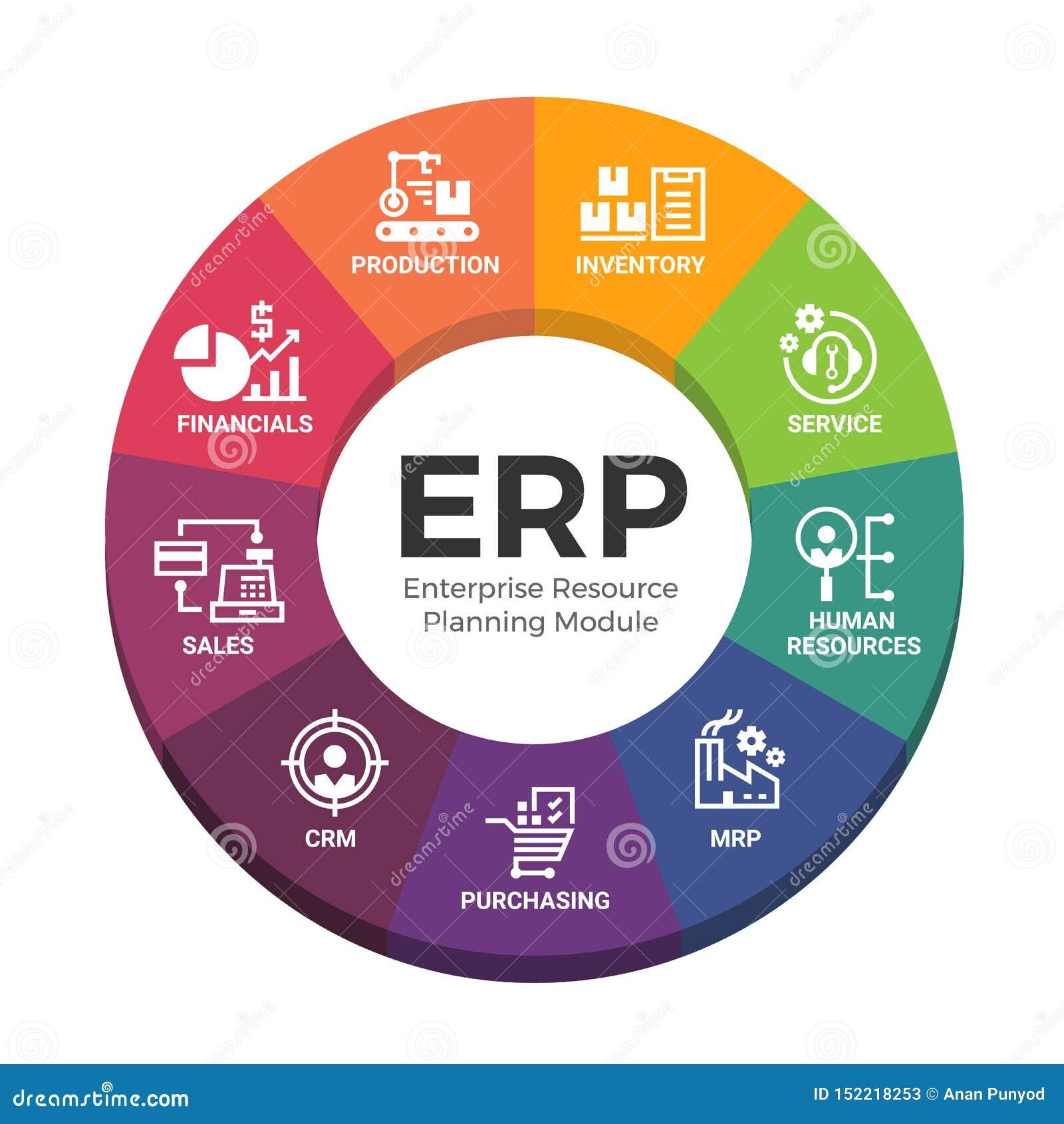
Netsuite ERP system is a comprehensive cloud-based solution that offers a wide range of features to help streamline and automate business processes. Some of the key features of Netsuite ERP system include:
1. Financial Management: Netsuite ERP system provides robust financial management capabilities that allow businesses to efficiently manage their financial operations. With features like general ledger, accounts payable, accounts receivable, and budgeting, Netsuite helps organizations effectively track and manage their finances.
2. Inventory Management: One of the standout features of Netsuite ERP system is its advanced inventory management capabilities. Businesses can easily track and manage their inventory levels, optimize stock levels, and streamline their order fulfillment processes. With real-time visibility into inventory data, businesses can make informed decisions to minimize stockouts and reduce carrying costs.
Additionally, Netsuite offers features such as demand planning, vendor management, and procurement to help businesses optimize their supply chain operations. By automating inventory management processes, businesses can improve efficiency, reduce costs, and enhance overall productivity.
3. Customer Relationship Management (CRM): Netsuite ERP system includes a powerful CRM module that allows businesses to effectively manage their relationships with customers. With features like lead management, sales forecasting, and customer service management, businesses can enhance customer satisfaction and drive sales growth. The CRM module also integrates seamlessly with other modules of the ERP system, providing a unified view of customer data across the organization.
4. E-commerce Integration: Netsuite ERP system offers seamless integration with e-commerce platforms, allowing businesses to efficiently manage their online sales channels. With features like order management, inventory synchronization, and customer support, Netsuite helps businesses streamline their e-commerce operations and provide a seamless shopping experience for customers.
5. Reporting and Analytics: Netsuite ERP system provides robust reporting and analytics capabilities that allow businesses to gain valuable insights into their operations. With customizable dashboards, real-time reporting, and advanced analytics tools, businesses can track key performance indicators, identify trends, and make data-driven decisions to drive business growth.
6. Scalability and Customization: Netsuite ERP system is highly scalable and customizable, allowing businesses to adapt the system to their unique requirements. Whether businesses are small startups or large enterprises, Netsuite can easily scale to accommodate their needs. With extensive customization options, businesses can tailor the system to meet their specific business processes and workflows.
In conclusion, Netsuite ERP system offers a comprehensive set of features that enable businesses to streamline their operations, improve efficiency, and drive growth. With its advanced capabilities in financial management, inventory management, CRM, e-commerce integration, reporting, and analytics, Netsuite ERP system is a powerful solution for businesses looking to take their operations to the next level.
Customization Options in Netsuite ERP Setup
When it comes to setting up Netsuite ERP for your business, there are a variety of customization options available to tailor the system to your specific needs. These customization options allow you to personalize your ERP implementation to effectively manage your unique business processes and requirements.
One of the key customization options in Netsuite ERP setup is the ability to create custom fields. Custom fields allow you to capture and store additional information that is specific to your business, beyond the standard fields provided by Netsuite. For example, you can create custom fields to track customer preferences, project details, or specific product attributes. This flexibility enables you to adapt Netsuite ERP to meet the specific needs of your organization.
Another important customization option is the ability to define custom workflows. Workflows in Netsuite ERP automate business processes by defining a series of tasks that need to be completed in a specific order. By customizing workflows, you can streamline and optimize your business processes, ensuring that tasks are completed efficiently and accurately. For example, you can create a custom workflow to automatically generate purchase orders when inventory levels reach a certain threshold, or to notify managers when a sales opportunity reaches a critical stage.
In addition to custom fields and workflows, Netsuite ERP also offers a range of customization options for user interfaces and reports. You can customize the layout and design of forms and screens to match your branding and improve usability. You can also create custom reports and dashboards to track key performance indicators and gain insights into your business operations. These customization options help you to optimize the user experience and make informed business decisions based on real-time data.
Furthermore, Netsuite ERP allows you to integrate with third-party applications and systems through APIs and integration tools. This integration capability enables you to connect Netsuite ERP with other software solutions that your business relies on, such as CRM systems, e-commerce platforms, or payment gateways. By integrating Netsuite ERP with other systems, you can streamline data sharing and enhance cross-functional collaboration, improving overall efficiency and productivity.
Overall, the customization options available in Netsuite ERP setup empower you to tailor the system to meet your organization’s unique requirements and objectives. By leveraging custom fields, workflows, user interfaces, reports, and integrations, you can create a seamless and personalized ERP solution that supports your business operations and drives growth and success.
Integration with Other Systems for Netsuite ERP Setup
When setting up Netsuite ERP, one of the most important aspects to consider is the integration with other systems. This is crucial for streamlining processes, improving efficiency, and ensuring data accuracy across all platforms. Netsuite ERP offers a wide range of integration options to connect with various systems, such as CRM, e-commerce platforms, third-party applications, and more.
One popular integration option for Netsuite ERP setup is with CRM systems. By integrating Netsuite ERP with CRM systems like Salesforce or HubSpot, businesses can have a seamless flow of information between sales, marketing, and finance departments. This integration allows for real-time updates on customer interactions, sales orders, invoices, and more, providing a comprehensive view of customer data across the organization.
Another important integration for Netsuite ERP setup is with e-commerce platforms. With integration with platforms like Shopify, Magento, or BigCommerce, businesses can automate order processing, inventory management, and shipping processes directly from their ERP system. This not only saves time and reduces errors but also improves customer satisfaction by providing accurate and timely order updates.
In addition to CRM and e-commerce platforms, Netsuite ERP setup also offers integration with third-party applications. This allows businesses to extend the functionality of their ERP system by connecting with specialized tools for human resources, project management, supply chain management, and more. By integrating these applications with Netsuite ERP, businesses can create a customized solution that meets their specific needs and requirements.
Moreover, Netsuite ERP setup also supports integration with accounting software, such as QuickBooks or Xero. This integration enables businesses to synchronize financial data, automate accounting processes, and generate real-time financial reports. By integrating their ERP system with accounting software, businesses can ensure accurate financial data and streamline their financial operations.
Overall, integration with other systems is essential for Netsuite ERP setup to maximize its functionality and capabilities. By connecting with CRM systems, e-commerce platforms, third-party applications, and accounting software, businesses can create a centralized and efficient system that improves productivity, reduces manual tasks, and drives growth. With the right integrations in place, businesses can unlock the full potential of Netsuite ERP and achieve success in today’s competitive business landscape.
Training and Support Resources for Netsuite ERP Users
As a Netsuite ERP user, it is crucial to have access to proper training and support resources to maximize the benefits of the system. Netsuite offers a variety of options for training and support to ensure that users are well-equipped to utilize the ERP system effectively.
1. Netsuite Training Courses: Netsuite provides a range of training courses for users at different skill levels. These courses cover various aspects of the Netsuite ERP system, including financials, CRM, inventory management, and more. Users can choose from online courses, virtual instructor-led training, or in-person training sessions depending on their preferences and availability.
2. Netsuite Knowledge Base: The Netsuite Knowledge Base is a valuable resource for users looking for information on how to use specific features or troubleshoot common issues. The Knowledge Base contains articles, guides, and tutorials that cover a wide range of topics related to Netsuite ERP. Users can search for relevant information and find step-by-step instructions to resolve their queries.
3. Netsuite User Groups: Netsuite User Groups are online communities where Netsuite users can connect with one another, share best practices, and ask questions. These user groups are a great way to network with other Netsuite users, learn from their experiences, and stay updated on the latest developments in the Netsuite ecosystem. Users can join user groups specific to their industry or geographical location to connect with like-minded professionals.
4. Netsuite Support Center: The Netsuite Support Center is available 24/7 to assist users with any technical issues or questions they may have. Users can submit support tickets, chat with support agents, or access self-service resources to find solutions to their problems. The Support Center is staffed with knowledgeable experts who can provide timely assistance to ensure that users can resolve any issues they encounter while using the Netsuite ERP system.
5. Netsuite University: Netsuite University is a comprehensive learning platform that offers a wide range of resources for Netsuite ERP users. Users can access on-demand training courses, webinars, documentation, and certification programs to enhance their skills and knowledge of the Netsuite ERP system. Netsuite University provides users with the flexibility to learn at their own pace and tailor their learning experience to suit their individual needs.
Overall, Netsuite offers a variety of training and support resources to help users get the most out of the Netsuite ERP system. By taking advantage of these resources, users can improve their proficiency with the system, troubleshoot issues effectively, and stay informed about new features and updates. Investing time in training and leveraging support resources can ultimately lead to a more successful implementation and utilization of Netsuite ERP for businesses of all sizes.